
A 92-year-old man sits in a doctor’s office getting lectured about his cholesterol levels. He survived the Depression, raised four children, buried a wife, and still beats his grandson at chess. Modern medicine is obsessing over numbers that might—might—add six months to a life already rich with nine decades.
This is the problem Louise Aronson dissects in Elderhood: we’ve built an entire medical system, and really an entire culture, that treats aging as a disease to be cured rather than a stage of life to be lived. As a geriatrician at UCSF, Aronson moves between clinical stories, research, and her own experience watching her father age to reveal how spectacularly we’ve failed our elders—and therefore our future selves. The book weaves together a medical memoir, a cultural critique, and an urgent call to reimagine what the last third of life could be.
From there, it gently but firmly ushers us into its deeper lessons, asking not just how we live, but how we choose to face what comes next.
1. An 80-Year-Old Isn’t a Broken 40-Year-Old
Our medical system has pediatrics for children, then treats everyone else like middle-aged bodies until they die. Aronson shows how absurd this is. Elderhood is a distinct life stage with its own physiology, needs, and possibilities. We don’t call childhood “proto-adulthood” or middle age “pre-death.” So why do we treat the last third of life as just decline from some imaginary peak? An elder body isn’t failing at being young—it’s succeeding at being old.
2. We Keep Torturing People Because We Can’t Say Goodbye
The most disturbing chapters show American medicine routinely harming elderly patients while trying to help them. A 94-year-old woman intubated, restrained, subjected to procedures that will—at best—return her to a nursing home. No one asked what she wanted. She’d already said she was tired, ready. But we couldn’t hear her over the machinery of our own denial. Aggressive treatments that make sense at 50 become torture at 85. We intervene because we can, not because we should. The real failure isn’t letting someone die—it’s forcing them to live on our terms instead of theirs.
3. Old People Report Being Happier Than They Were at 40
Here’s what breaks your brain: despite failing bodies and real losses, study after study shows elderly people report higher life satisfaction than middle-aged ones. Aronson’s patients confirm it. They’ve survived enough to have perspective. They know what matters. There’s a freedom in having less to prove. But we can’t see this because we’ve decided aging is only about what you lose, not what you gain. We’ve created a self-fulfilling prophecy: assume old age is worthless, don’t invest in making it better, then point at the result as proof. Meanwhile, elders keep insisting they’re fine—and we keep not believing them.
4. This Isn’t About Them, It’s About You
If you’re reading this under 60, you’re going to be old. Not maybe. Not if unlucky. You will wake up with joints that creak and people who look past you like you’re already gone. Which means this book isn’t about elder care—it’s about the future we’re building for ourselves. Aronson shows what’s possible when societies decide old age is worth designing for: programs that keep elders engaged, architecture for 80-year-old bodies, doctors who ask “what matters to you?” instead of “what’s the matter with you?” It’s not fantasy. It’s just cultures that grew up enough to honor more than one act of life.
Elderhood asks one question we keep avoiding: Can we stop treating aging like a disease and start treating it like what happens when you’re lucky enough to keep living? Because right now, we’re all headed toward a world we’ve designed to discard us. And that 92-year-old man with the good cholesterol? He’s not the problem. We are.
BOOK: https://amzn.to/4paWhyg
Enjoy the audiobook with a membership trial using the same link.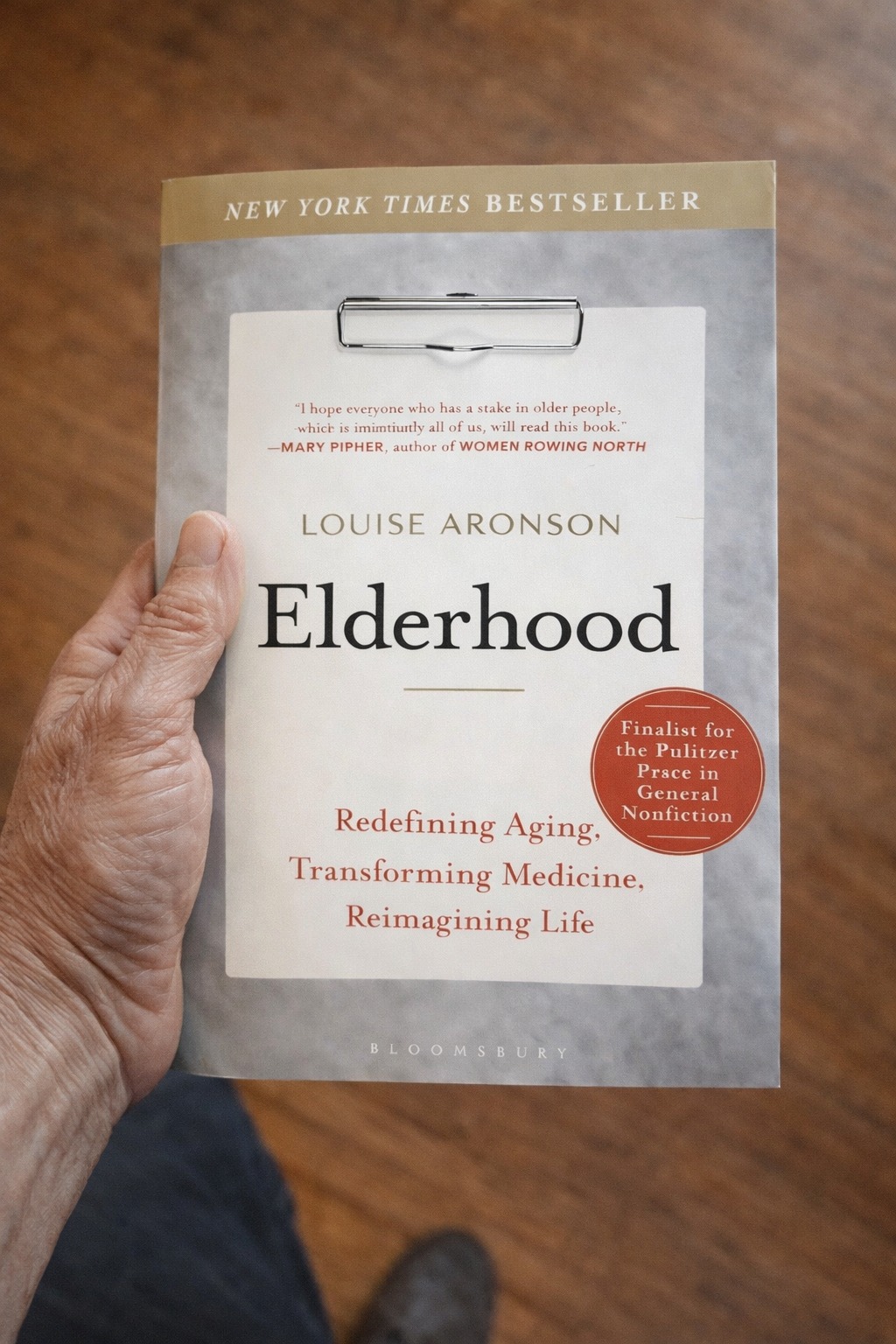
Source